

The cash operating cycle of a business is calculated by using different working capital ratios. It is calculated in terms of the time it takes, usually denoted in number of days. The cash operating cycle of a business is the length of time between payment of purchase of raw materials, paying wages and other expenditures to the inflow it receives from the sale of these goods.
Improving Business Efficiency with the Operating Cycle Formula
This could be due to delays in sourcing raw materials or inefficient manufacturing processes. By addressing these issues, the company can streamline its operations, reduce lead times, and improve overall efficiency. To understand the operating cycle, imagine a business buying raw materials, converting them into finished goods, selling those goods, and finally receiving payment.

Inventory period
The inventory conversion period refers to the time it takes for a business to convert operating cycle formula raw materials into finished goods. This period includes activities such as procurement, production, and quality control. By reducing the inventory conversion period, businesses can minimize holding costs and improve cash flow. Finally, if a business takes a short time to pay its suppliers after they have made credit purchases from those suppliers, then the payable days of the business will be affected.
How to Calculate Operating Cycle?
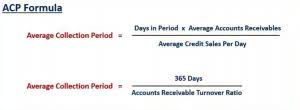
We will explore essential tools and software that can help you effectively manage and optimize your operating cycle. To reduce your DSO, focus on efficient accounts receivable practices, including clear credit policies, prompt invoicing, automated reminders, regular reconciliation, and offering early payment incentives. HighRadius stands out as an IDC MarketScape Leader for AR Automation Software, serving both large and midsized businesses. The IDC report highlights HighRadius’ integration of machine learning across its AR products, enhancing payment matching, credit management, and cash forecasting capabilities. Accelerate payment recovery from delinquent customers and boost cash flow through automated collection workflows.
- By optimizing inventory levels, companies can avoid overstocking or stockouts, reducing carrying costs and potential lost sales.
- Note that the cycle would start when Joseph starts paying for the raw materials he uses for making food items for his customers.
- The operating cycle formula can compare companies in the same industry or conduct trend analysis to assess their performance across the years.
- It might seem like an academic exercise, but understanding the operating cycle holds genuine value for any business.
- This tells you how long, on average, items stay in inventory before they sell.
Get notified on new marketing insights
- As a result, it is critical for any business to understand its operating cycle so that it can forecast how much working capital they need or is on hand at any one time.
- We plan to cover the PreK-12 and Higher Education EdTech sectors and provide our readers with the latest news and opinion on the subject.
- These materials are then processed over two to three months to assemble vehicles.
- Normal operating cycles are the usual time it takes for a business to turn inventory into cash.
- So, the effectiveness of the cash flow function is measured by both operating and cash cycles.
- The cash conversion cycle is also referred to as the cash cycle, asset conversion cycle or net operating cycle.
Net operating cycle measures the number of days a company’s cash is tied up in inventories and receivables on average. It equals days inventories outstanding plus days sales outstanding minus days payable outstanding. The operating cycle in working capital is an indicator of the efficiency in the management. The longer the cash cycle of a company, the larger the working capital requirement.
Operating Cycle Formula
- Managing your operating cycle efficiently often requires the right tools and software to streamline processes, monitor key performance indicators, and make informed decisions.
- We hope to provide a well-rounded, multi-faceted look at the past, present, the future of EdTech in the US and internationally.
- Have you ever wondered how businesses seamlessly convert investments into cash, ensuring smooth financial operations?
- A shorter operating cycle can free up working capital, while a longer one might tie up more capital in inventory and receivables.
- As a result, enterprises estimate their working capital requirements and commercial banks fund them depending on the duration of the Cash cycle.
By understanding these components, you can gain insights into how efficiently your business is managing inventory, collecting payments, and paying suppliers. When the operating cycle is shorter, Accounting for Marketing Agencies it indicates frequent sale of products, which lets the businesses learn about the extensive demand for the product in the market. The business, through this calculation, can check the total time taken from receiving the inventory to storing them, selling them, and customers paying for them. The cash inflow and outflow with respect to the inventory moving in and out becomes easier to observe when the operating cycle is known.
Significance in Business Operations
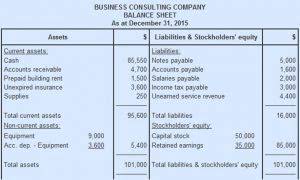
In this case, the operating cycle of the business would not end until all the items have been sold and Joseph receives cash for all of them. The operating cycle, also known as the cash cycle of a company, is an activity ratio measuring the average period required for turning the company’s inventories into cash. Operating cycle refers to number of days a company takes in converting its inventories to cash. It equals the time taken in selling inventories (days inventories outstanding) plus the time taken in recovering cash from trade receivables (days sales outstanding).
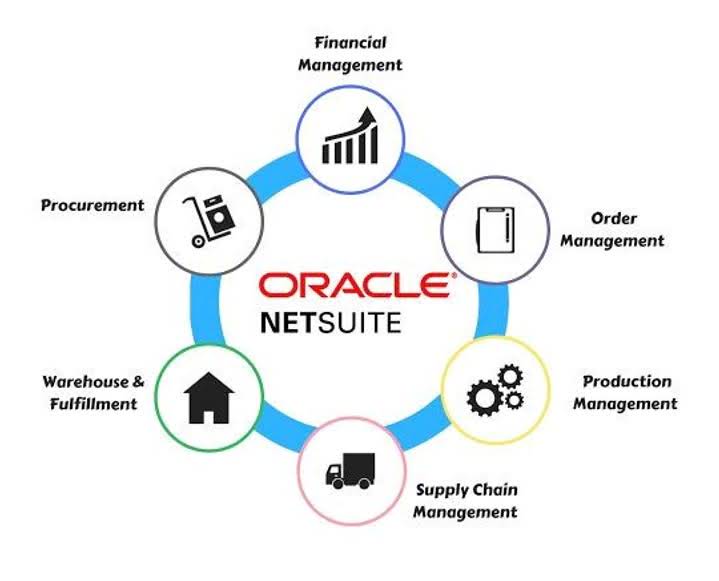
Now that we understand what an operating cycle is, let’s explore its importance in business operations. A strong operating cycle reflects a company’s ability to manage working capital efficiently. In some cases, businesses may struggle with the lack of integration between different departments, such as sales, finance, and operations. A lack of communication and collaboration between these functions can ledger account hinder the efficient flow of the operating cycle. Economic downturns or recessions can impact consumer spending and payment behavior. During challenging economic periods, businesses may face increased difficulty in collecting receivables and may experience a slowdown in the overall operating cycle.
